.png)

Menopause
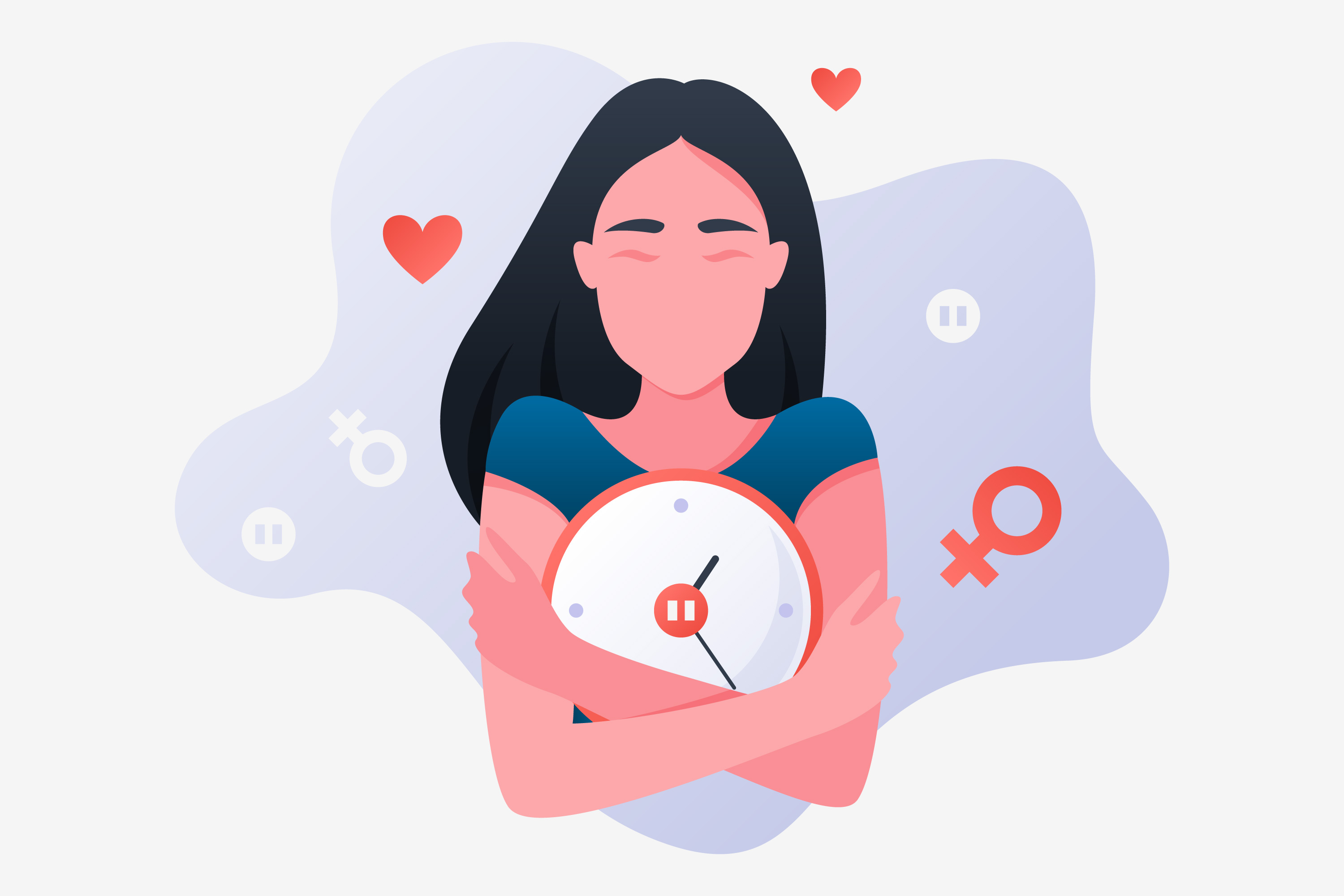
Menopause is a natural stage of life, but it can bring physical, emotional and sexual changes that are not always openly discussed. Understanding what happens during menopause can help you recognise changes, make informed decisions about your health and know when to seek professional support.
At FPA Sri Lanka, we recognise that menopause is about more than periods. It can affect physical health, emotional wellbeing, relationships and sexual health.
1. What exactly is menopause?
Menopause is the point when a person has not had a menstrual period for 12 consecutive months, due to the natural decline in ovarian function and reproductive hormones. It marks the end of the reproductive years.
However, menopause is not an event that happens overnight. Hormonal changes usually begin several years earlier during perimenopause, and symptoms may occur before periods stop completely.
2. What age does menopause usually start?
Natural menopause most commonly occurs between the ages of 45 and 55, although there is considerable individual variation.
The timing can be influenced by factors such as genetics, certain medical treatments and surgery. Menopause occurring before age 45 is considered early menopause, while menopause before age 40 is considered premature menopause and should be discussed with a healthcare provider.
3. What are the first signs of menopause?
Changes in the menstrual cycle are often among the earliest signs. Periods may become irregular, occur closer together or further apart, or become heavier or lighter.
Other early symptoms may include hot flushes, night sweats, sleep difficulties, mood changes, fatigue, difficulty concentrating, vaginal dryness and changes in sexual desire.
4. Why does menopause cause so many different symptoms?
The main reason is changing hormone levels, particularly oestrogen. Oestrogen affects many parts of the body, including the reproductive system, brain, bones and cardiovascular system.
As hormone levels fluctuate and eventually decline, different people can experience different combinations of symptoms. This is why there is no single “menopause experience”.
5. Can menopause affect mental and emotional well-being?
Yes. Some people experience irritability, anxiety, low mood, difficulty concentrating or changes in emotional wellbeing during the menopausal transition.
Hormonal changes may contribute, but so can poor sleep, hot flushes, stress, relationships and other life circumstances. Persistent or severe anxiety or depression should not simply be attributed to menopause; speak to a healthcare provider for appropriate support.
6. Can menopause affect sexual health?
Yes. Lower oestrogen levels can contribute to vaginal dryness and changes in vaginal tissues, which may cause discomfort or pain during sex.
Some people also experience changes in sexual desire or arousal. These changes can have several causes, including hormones, sleep, stress, medications, emotional wellbeing and relationship factors.
7. Does menopause mean the end of your sex life?
Absolutely not. Menopause does not mean that sexual pleasure, intimacy or relationships have to end.
Some people experience changes in desire or physical comfort, but many of these concerns can be addressed. Lubricants, vaginal moisturisers, appropriate medical treatments and support from a healthcare provider may help, depending on the cause.
8. When should I speak to a healthcare provider?
Consider seeking professional advice if symptoms are affecting your quality of life, sleep, relationships or sexual well-being.
Unexpected bleeding, particularly after menopause, should be assessed by a healthcare provider rather than automatically being considered a menopause symptom.
About FPA Sri Lanka The Family Planning Association of Sri Lanka provides information and services related to sexual and reproductive health and wellbeing. Through Bloom by FPA Sri Lanka, individuals can access confidential support for a range of sexual and reproductive health concerns, including menopause-related issues.
Need confidential support? Contact Bloom by FPA Sri Lanka on 077 955 2979.
Medical information: This article is intended for general health information and does not replace an individual consultation with a qualified healthcare professional. Menopause symptoms and treatment options vary from person to person.

The Family Planning Association of Sri Lanka
எங்களிடமிருந்து வரும் சமீபத்திய செய்திகளைப் பெற குழுசேரவூம்