.png)


Tired all the time? You may be deficient in iron.
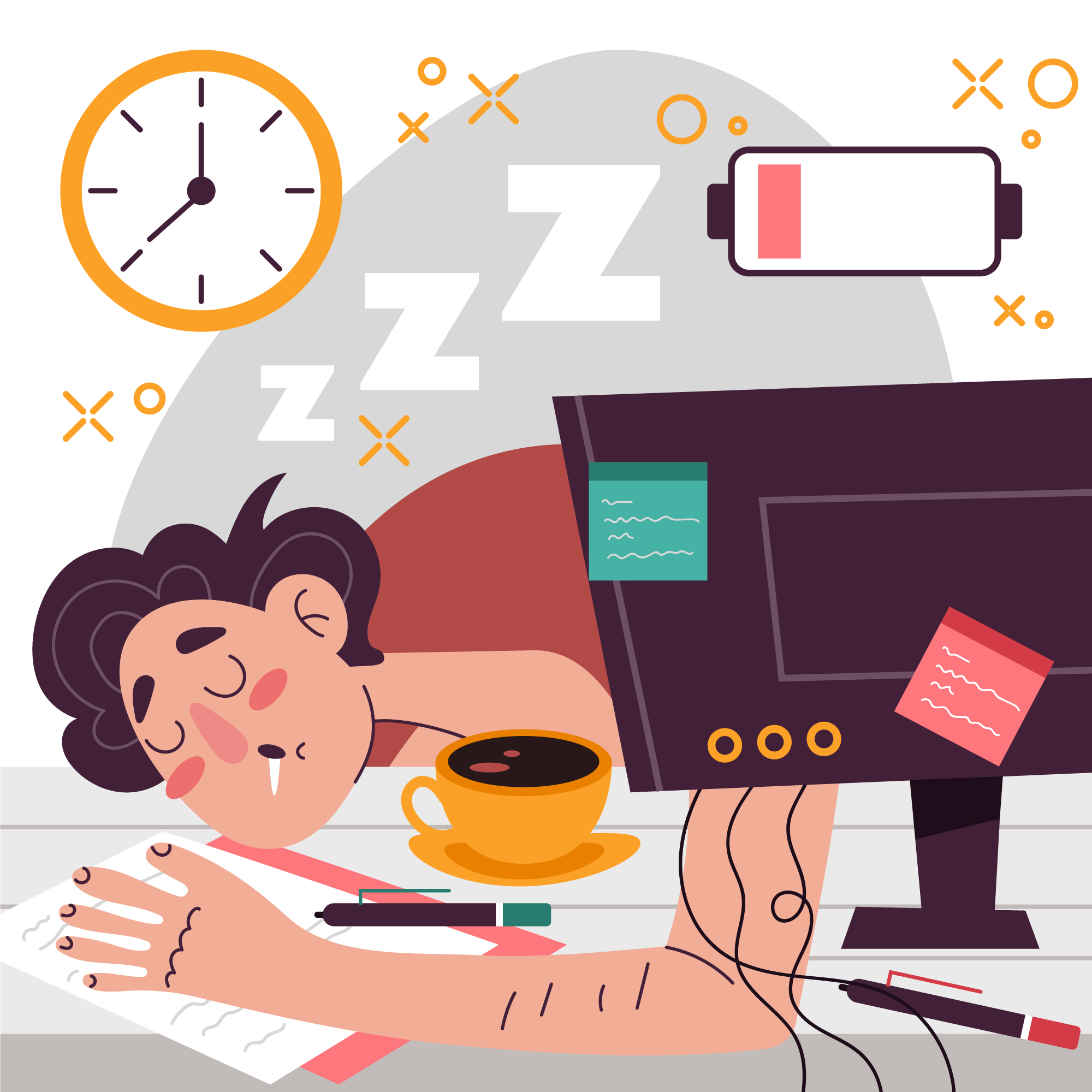
Iron deficiency is one of the most common nutritional problems affecting young women today, especially in South Asia. Factors such as heavy menstrual bleeding, dietary patterns (a vegetarian diet or a diet with poor uptake of iron-rich foods), and pregnancy, can all increase the risk of iron deficiency. Iron is an essential component of human blood by contributing to the production of haemoglobin, the iron-rich protein required to transport oxygen around the body.
The lack of iron therefore not only causes tiredness and weakness, but may also affect sexual and reproductive health, causing menstrual changes, pregnancy complications, and even sexual dysfunction.
Signs of iron deficiency
Iron deficiency often develops gradually, so early recognition is important. Common signs include:
Persistent tiredness and weakness – even after adequate rest.
Pale skin and pale inner eyelids
Shortness of breath
Feeling your heartbeat fast (palpitations)
Headaches, dizziness, and brain fog
Hair loss and brittle nails
Cold hands and feet
Restless legs syndrome (uncomfortable sensations of the legs at night)
Unusual cravings (pica) – chewing on ice, dirt, or paper
Loss of appetite
Causes of iron deficiency in young women
Many contributing factors explain why young women can be disproportionately affected by iron deficiency anaemia, including:
Menstrual blood loss – heavy or prolonged periods are a common cause
Pregnancy and postpartum – increased iron demand for the growing baby
Dietary insufficiency – low intake of iron-rich foods, especially in vegetarian diets
Poor absorption – conditions like celiac disease and inflammatory bowel disease further reduce absorption.
Socioeconomic factors – limited access to diverse diets, parasitic infections, and other micronutrient deficiencies can occur in low-income settings
Effects on sexual and reproductive health
Iron deficiency anaemia can impact a woman’s reproductive health in multiple ways, including:
Menstruation by contributing towards menstrual irregularities
Reduced fertility as iron deficiency can impair ovulation (the release of the female egg) and impair the ability of a fertilized egg to implant in the lining of the uterus.
Pregnancy complications such as a higher risk of preterm birth, low birth weight, and postpartum bleeding.
Maternal health such as worsening fatigue, increased susceptibility to infections, and a higher maternal mortality risk.
Sexual function may be indirectly affected through fatigue, reduced energy and overall health status.
Diagnosing and treating iron deficiency anaemia
Iron deficiency anaemia can be detected with simple blood tests such as a full blood count, blood picture, serum ferritin and iron studies.
Treatment initially involves identifying and treating the root cause of the iron deficiency anaemia. Treatment strategies then include improving nutrition by increasing iron rich foods in the diet (e.g. meat, fish, beans, spinach), paired with Vitamin C rich foods (e.g. oranges, strawberries), to increase iron absorption. Thereafter, iron supplementation (either oral or intravenously depending on the iron levels) may be recommended by a healthcare professional. Iron supplementation has been found to not only improve symptoms due to iron deficiency anaemia but also improve sexual function in women.
Women planning a pregnancy should optimize iron levels before pregnancy to reduce risks. Pregnant women at risk of iron deficiency anaemia may be supplemented with oral iron during their pregnancy and postpartum period.
In a nutshell
Iron deficiency in young women is not just about tiredness—it is a critical sexual and reproductive health issue. Recognizing early signs, addressing dietary gaps, and ensuring adequate iron before and during pregnancy are vital steps to protect both maternal and child health, while also improving sexual wellbeing and overall quality of life.
If you or someone you know may be experiencing symptoms like those described above, contact the Bloom Medical Clinic at the Family Planning Association of Sri Lanka (+94 779895252, No. 37/27, Bullers Lane, Colombo-07) for further medical advice from a healthcare professional.
The Family Planning Association of Sri Lanka
எங்களிடமிருந்து வரும் சமீபத்திய செய்திகளைப் பெற குழுசேரவூம்