.png)


Heavy Periods: Your Questions Answered
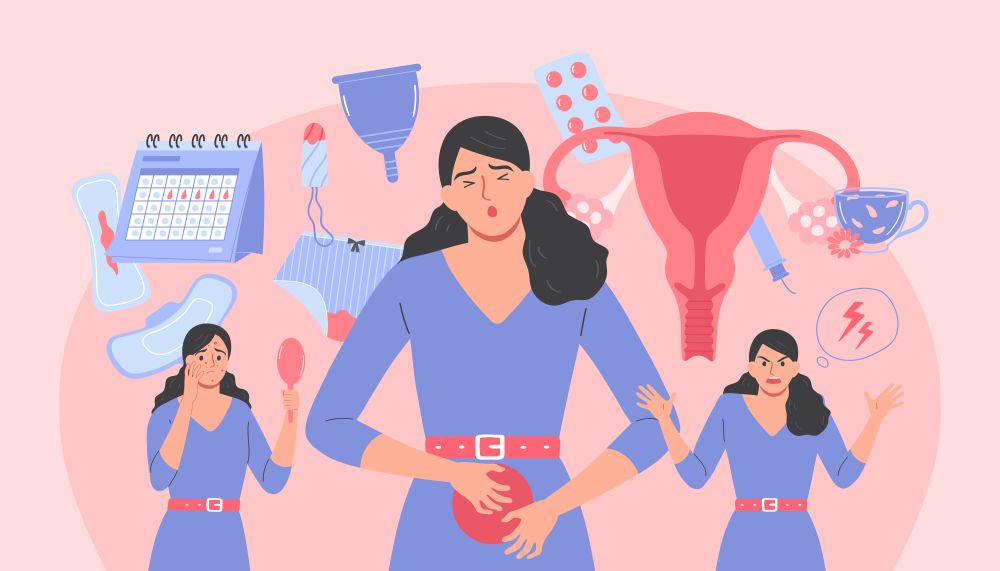
What are heavy periods?
Heavy periods, also called heavy menstrual bleeding, mean your periods are heavier or longer than usual. Signs include:
Bleeding for more than 7 days
Needing to change pads or tampons very frequently
Passing large blood clots
Feeling very tired, weak, or dizzy
Heavy periods are common and often treatable.
What causes heavy periods?
Heavy periods can happen for many reasons, including:
Hormonal imbalances
Fibroids or polyps in the uterus
Bleeding disorders
Rarely, conditions like endometriosis
A healthcare provider can help find the exact cause and suggest solutions.
Are heavy periods normal?
While some variation in period flow is normal, periods that interfere with daily life are not something you have to just endure. If bleeding is very heavy, long, or painful, it’s important to seek medical advice.
How can heavy periods affect health?
Heavy bleeding can lead to:
Fatigue or weakness
Iron deficiency or anaemia
Missed school, work, or daily activities
Emotional stress
Managing heavy periods can improve both physical and mental well-being.
How are heavy periods treated?
Treatment depends on the cause and may include:
Medications to reduce bleeding or regulate hormones
Iron supplements if anaemia develops
Procedures to remove fibroids or polyps
Lifestyle and self-care strategies to manage symptoms
Early evaluation can help prevent complications and improve quality of life.
When should I see a doctor?
Seek help if your periods:
Last longer than 7 days
Require changing protection every 1–2 hours
Cause severe fatigue or dizziness
Interfere with school, work, or social life
Remember: Heavy periods are not something you have to “just deal with.” Help is available.

The Family Planning Association of Sri Lanka
Subscribe to Get the Latest News From Us