.png)


Sleep, Screen Time & Digital Balance
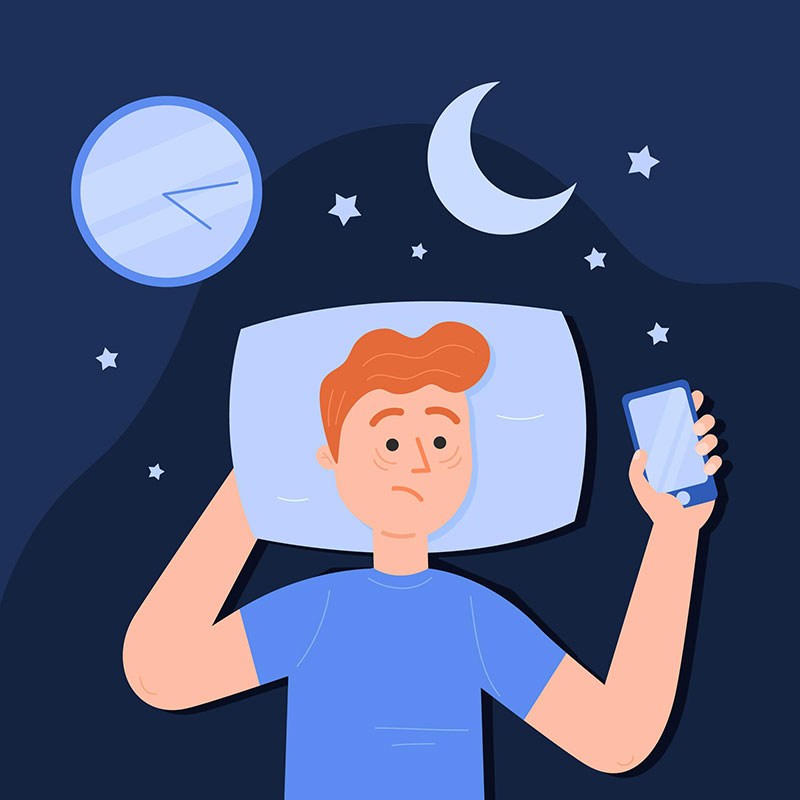
Late-night scrolling, poor sleep, and constant screen time can affect your mood, energy, and focus. Learning to balance sleep and digital life helps you feel better and function better.
1. Why are sleep and screen time linked to mental health?
Sleep and screen habits directly affect how the brain and body function. Poor sleep or excessive screen time can increase stress, anxiety, low mood, and reduce concentration. Good balance supports emotional stability and overall well-being.
2. How does too much screen time affect young people?
Excessive screen time can lead to mental fatigue, reduced attention span, eye strain, and feelings of comparison or pressure from social media. It can also reduce time for rest, physical activity, and real-life social interaction.
3. Can social media affect sleep?
Yes. Using phones or social media late at night can delay sleep because it keeps the brain active. The blue light from screens can also reduce melatonin, the hormone that helps you sleep.
4. Why is sleep important for emotional well-being?
Sleep helps the brain process emotions, reduce stress, and restore energy. Lack of sleep can make people more irritable, anxious, emotional, or overwhelmed.
5. How many hours of sleep do young people need?
Most adolescents and young adults need around 7–9 hours of sleep per night. Regular sleep patterns are more important than just the number of hours.
6. What are signs of poor sleep habits?
- Feeling tired even after waking up
- Difficulty concentrating
- Mood swings or irritability
- Falling asleep late or waking up frequently
- Relying on phones until very late at night
7. How can screen time affect mental health?
Too much screen time can increase stress, anxiety, and comparison with others. It may also reduce self-esteem due to unrealistic images and constant online pressure.
8. What is “digital burnout”?
Digital burnout happens when someone feels mentally exhausted from constant phone use, notifications, and online activity. It can lead to fatigue, lack of motivation, and emotional overload.
9. How can someone improve sleep and reduce screen impact?
- Avoid phones 30–60 minutes before sleep
- Set a fixed bedtime routine
- Keep the phone away from the bed
- Reduce late-night scrolling
- Do relaxing activities like reading or listening to calm music
10. When should someone seek help?
If poor sleep habits, excessive screen time, or digital overload are starting to affect daily life, such as mood, studies, relationships, or physical health, it is important to seek support. Speaking to a counsellor or health professional can help you understand what is happening and find healthier routines that work for you.
Confidential support is available through FPA Sri Lanka counselling services and partner support centres:
077 955 2979 – Bloom by FPA Sri Lanka
076 588 4881 / 076 588 4882 – Happy Life Call Centre (Call or WhatsApp)
077 989 5252 – Alokaya Counselling Centre
All services are confidential and non-judgmental, and are designed to support your emotional and overall well-being.

The Family Planning Association of Sri Lanka
Subscribe to Get the Latest News From Us