.png)


Perimenopause: Symptoms, Changes and What to Expect
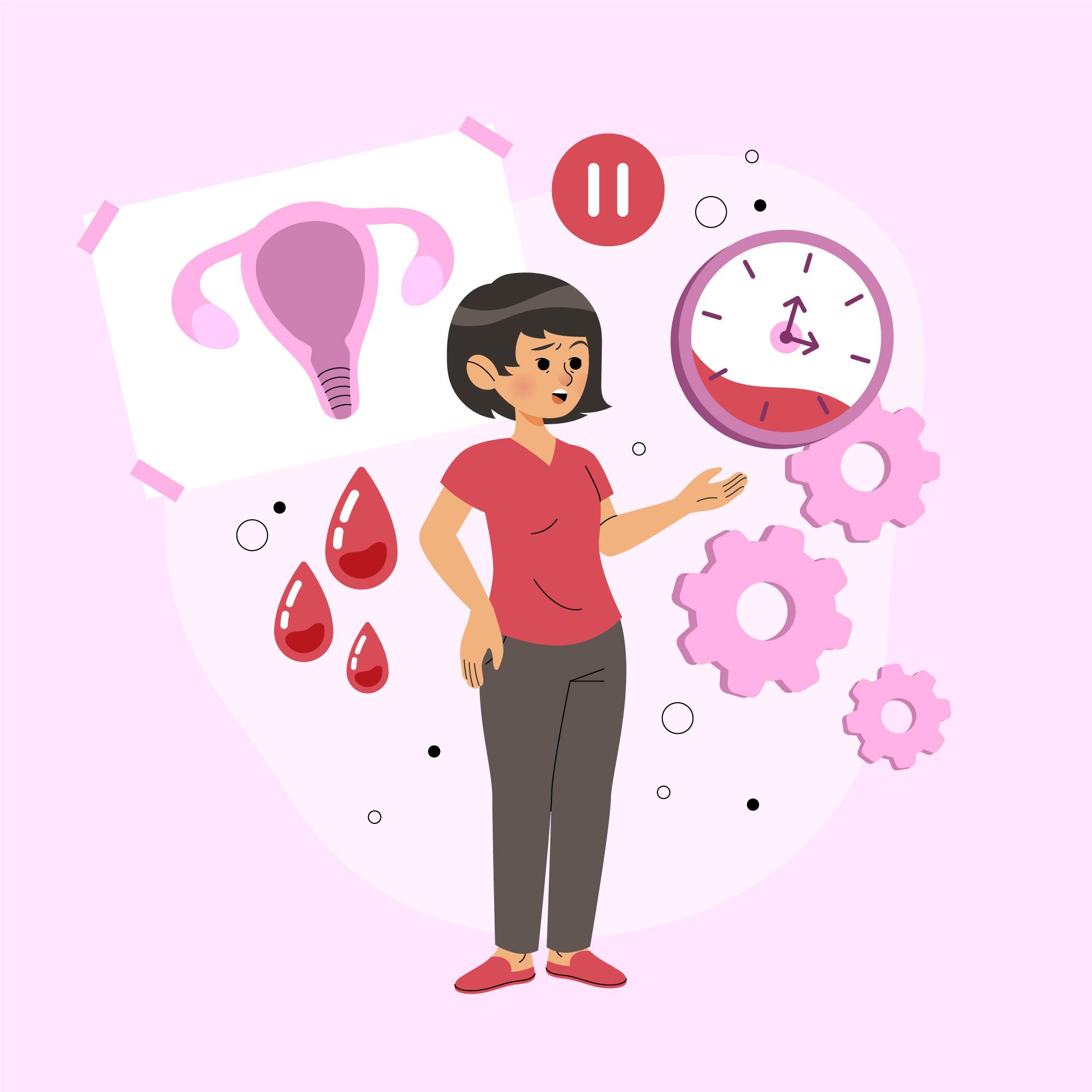
Menopause does not happen suddenly. The years leading up to menopause are known as perimenopause, and this transition can bring changes to periods, sleep, mood, sexual health and overall well-being.
Understanding perimenopause can help you recognise what is happening and distinguish expected changes from symptoms that may need medical attention.
1. What is perimenopause?
Perimenopause is the transition period leading up to menopause. During this time, ovarian hormone production becomes less predictable and levels of hormones such as oestrogen can fluctuate.
Periods often become less regular, and symptoms associated with menopause may begin even though menstruation has not stopped.
2. When can perimenopause begin?
Perimenopause can begin several years before menopause and commonly occurs during the 40s, although it can start earlier or later.
The timing varies from person to person, so age alone cannot determine whether someone is experiencing perimenopause.
3. How do periods change during perimenopause?
Periods can become unpredictable. They may occur closer together or further apart and may become heavier, lighter, shorter or longer.
Although changes are common, unusually heavy bleeding, prolonged bleeding or bleeding between periods should be discussed with a healthcare provider.
4. What other symptoms can happen during perimenopause?
Possible symptoms include hot flushes, night sweats, sleep problems, fatigue, mood changes, difficulty concentrating, headaches, vaginal dryness and changes in sexual desire.
Not everyone experiences the same symptoms, and their severity can change over time.
5. Can you become pregnant during perimenopause?
Yes. Ovulation can still occur during perimenopause, even when periods are irregular.
If pregnancy is not desired, contraception is still necessary until menopause has been confirmed. A healthcare provider can advise on contraception options that are appropriate during this stage of life.
6. Can perimenopause affect sexual desire?
It can. Hormonal changes may influence sexual desire, but libido is also affected by sleep, stress, mood, medications, relationships and physical comfort.
Vaginal dryness or painful sex can also cause someone to avoid sexual activity, which may further affect desire.
7. How long does perimenopause last?
There is no fixed length of time. Perimenopause can last several years, and symptoms may change throughout the transition.
Menopause itself is confirmed only after 12 consecutive months without a menstrual period, assuming there is no other cause.
8. Should I see a healthcare provider?
If changes in your periods or other symptoms are concerning you, speaking to a healthcare provider can help determine whether they are related to perimenopause or another condition.
For confidential support, contact Bloom by FPA Sri Lanka on 077 955 2979.
About FPA Sri Lanka The Family Planning Association of Sri Lanka provides information and services related to sexual and reproductive health and wellbeing. Through Bloom by FPA Sri Lanka, individuals can access confidential support for a range of sexual and reproductive health concerns, including menopause-related issues.
Need confidential support? Contact Bloom by FPA Sri Lanka on 077 955 2979.
Medical information: This article is intended for general health information and does not replace an individual consultation with a qualified healthcare professional. Menopause symptoms and treatment options vary from person to person.

The Family Planning Association of Sri Lanka
Subscribe to Get the Latest News From Us