.png)


Menopause Symptoms: What to Expect and When to Seek Help
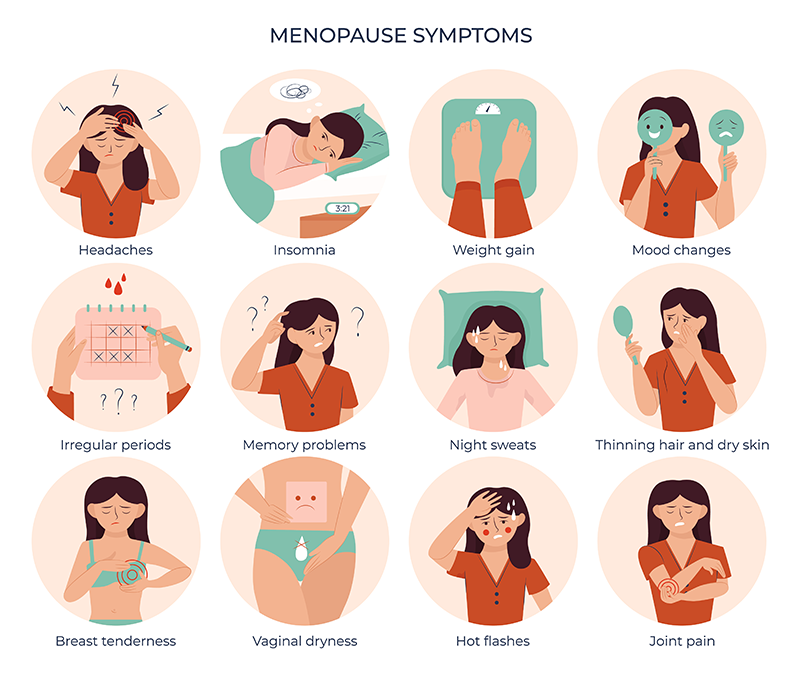
Menopause can affect much more than the menstrual cycle. Hormonal changes can influence sleep, mood, concentration, sexual health and physical wellbeing. Symptoms vary greatly from person to person, and understanding what can happen can help you know when you may benefit from professional support.
1. What are the most common symptoms of menopause?
Common symptoms include hot flushes, night sweats, irregular periods, sleep difficulties, mood changes, fatigue, difficulty concentrating, vaginal dryness and changes in sexual desire.
Some people may also experience headaches, joint and muscle aches, changes in skin and hair, or urinary symptoms. Not everyone will experience all of these symptoms, and their severity can vary.
2. Why do hot flushes happen?
Hot flushes are thought to occur because hormonal changes affect the brain's regulation of body temperature.
A person may suddenly experience an intense feeling of heat, particularly around the face, neck and chest, sometimes followed by sweating and chills. For some people, hot flushes are mild and occasional; for others, they can interfere significantly with sleep and daily activities.
3. Can menopause affect sleep?
Yes. Night sweats can cause repeated waking, while hormonal changes, stress, anxiety and mood changes may also make it harder to fall asleep or stay asleep.
Poor sleep can then contribute to daytime fatigue, irritability and difficulty concentrating, creating a cycle where several symptoms affect one another.
4. Can menopause cause brain fog?
Some people report difficulty concentrating, remembering things or feeling mentally clear during perimenopause and menopause.
Sleep disruption, stress, anxiety and other factors can contribute as well. If changes in memory or concentration are significant, worsening or interfering with daily life, speak to a healthcare provider rather than assuming they are simply due to menopause.
5. Can menopause affect mood?
Yes. Some people experience irritability, anxiety, low mood or emotional changes during the menopausal transition.
Hormonal changes may play a role, but life circumstances, stress and poor sleep can also contribute. Persistent low mood, severe anxiety or symptoms that interfere with everyday life should be discussed with a healthcare provider.
6. Can menopause affect weight and body composition?
Changes in body composition are common around midlife. Hormonal changes, ageing, reduced muscle mass, physical activity, sleep and dietary patterns can all contribute to changes in weight and where the body stores fat.
Menopause should not be viewed as the sole explanation for every change in weight. A healthcare provider can help identify factors relevant to you.
7. Do menopause symptoms eventually go away?
Some symptoms, such as hot flushes, may improve over time, but the duration varies considerably.
Vaginal and urinary symptoms related to declining oestrogen can persist after menopause and may even become more noticeable. If symptoms continue to affect your comfort, health or sexual wellbeing, treatment options are available.
8. How can menopause symptoms be managed?
Management depends on the symptoms, their severity and your individual health. Options may include lifestyle measures, non-hormonal treatments, local treatments or hormone therapy for appropriate individuals.
There is no single treatment that is right for everyone. A healthcare provider can help you understand your options and weigh the potential benefits and risks.
Need confidential support? Contact Bloom by FPA Sri Lanka on 077 955 2979.
About FPA Sri LankaThe Family Planning Association of Sri Lanka provides information and services related to sexual and reproductive health and wellbeing. Through Bloom by FPA Sri Lanka, individuals can access confidential support for a range of sexual and reproductive health concerns, including menopause-related issues.
Need confidential support? Contact Bloom by FPA Sri Lanka on 077 955 2979.
Medical information: This article is intended for general health information and does not replace an individual consultation with a qualified healthcare professional. Menopause symptoms and treatment options vary from person to person.

The Family Planning Association of Sri Lanka
Subscribe to Get the Latest News From Us