.png)


Menopause and Sexual Health: What Changes?
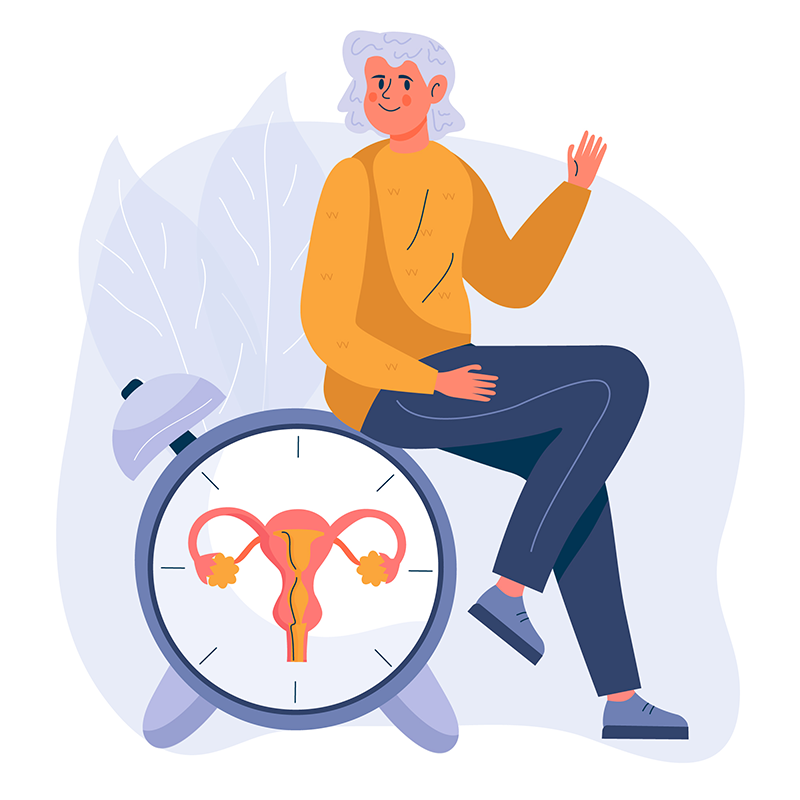
Sexual health remains an important part of overall wellbeing throughout life. Menopause can affect desire, arousal, lubrication and comfort, but these changes do not mean that sexual pleasure or intimacy has to end.
1. How can menopause affect sexual health?
Declining oestrogen can cause changes in vaginal tissues and lubrication. Some people may also notice changes in sexual desire, arousal or sexual response.
These physical changes can interact with emotional wellbeing, sleep, stress, medications and relationship factors.
2. Can menopause make it harder to become aroused?
Some people notice that arousal takes longer or feels different after menopause.
Reduced lubrication can also make sexual activity less comfortable. Adequate time for arousal, communication with a partner and addressing vaginal dryness may help.
3. Can menopause affect orgasm?
Some people notice changes in their sexual response, including taking longer to reach orgasm or experiencing a change in orgasm.
There can be several contributing factors, including hormonal changes, medications, stress, mood, relationship factors and physical discomfort.
4. Does menopause mean I will lose interest in sex?
No. Sexual desire varies greatly between individuals.
Some people experience lower desire, while others experience little change. Some may even feel more comfortable with their sexuality after menopause, particularly if concerns about pregnancy or menstruation are no longer present.
5. Can sex still be pleasurable after menopause?
Yes. Menopause does not mean the end of sexual pleasure or intimacy.
If dryness, pain or changes in sexual response are affecting your experience, there are ways to address many of these concerns.
6. What can I do if sex has become uncomfortable?
Lubricants can help reduce friction during sexual activity, while vaginal moisturisers may help with ongoing dryness.
If symptoms persist, a healthcare provider can assess whether local vaginal oestrogen or another treatment may be appropriate.
7. Should I talk to my healthcare provider about sexual problems?
Yes. Sexual health is a legitimate part of healthcare.
Healthcare providers can discuss concerns such as vaginal dryness, painful sex, changes in libido and arousal. You deserve respectful and confidential care.
8. Where can I get confidential support?
If menopause is affecting your sexual wellbeing, speak to a healthcare provider for individual advice.
For confidential sexual and reproductive health support, contact Bloom by FPA Sri Lanka on 077 955 2979.
About FPA Sri Lanka
The Family Planning Association of Sri Lanka provides information and services related to sexual and reproductive health and wellbeing. Through Bloom by FPA Sri Lanka, individuals can access confidential support for a range of sexual and reproductive health concerns, including menopause-related issues.
Confidential support is available through FPA Sri Lanka services:
077 955 2979 – Bloom by FPA Sri Lanka
Medical information: This article is intended for general health information and does not replace an individual consultation with a qualified healthcare professional. Menopause symptoms and treatment options vary from person to person.

The Family Planning Association of Sri Lanka
Subscribe to Get the Latest News From Us