.png)


Menopause and Libido: Why Can Sexual Desire Change?
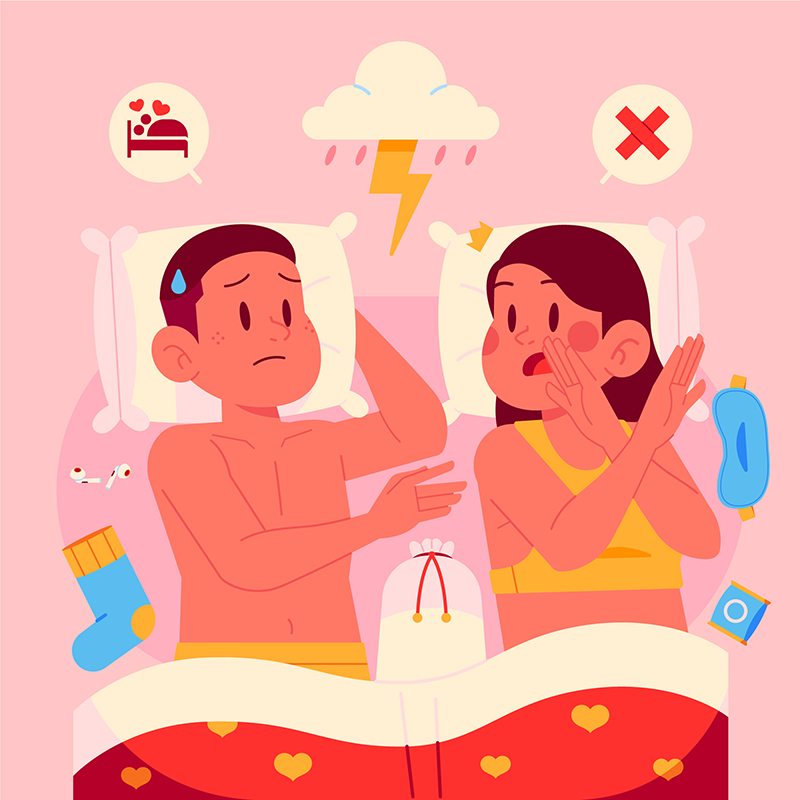
Changes in sexual desire can be one of the less-discussed aspects of menopause. Libido is influenced by much more than hormones. Physical comfort, sleep, stress, emotional wellbeing, medications and relationships can all affect sexual desire.
1. Can menopause reduce libido?
Yes. Some people experience a reduction in sexual desire during perimenopause or after menopause.
Hormonal changes can play a role, but libido is complex. A change in desire does not automatically mean that hormones are the only cause.
2. How do hormones affect sexual desire?
Declining oestrogen can affect vaginal lubrication and the tissues of the genital area, while hormonal changes can also influence sexual response.
However, desire is also influenced by psychological, social and relationship factors. Stress, fatigue, poor sleep, anxiety, depression, medications and physical discomfort can all contribute.
3. Can vaginal dryness affect libido?
Yes. If sex becomes dry, uncomfortable or painful, it is understandable that someone may become less interested in sexual activity.
Addressing vaginal dryness and pain can therefore be an important part of improving sexual wellbeing.
4. Is having less desire after menopause abnormal?
No. There is no single “normal” level of sexual desire.
What matters is whether the change is unwanted, causes distress or affects your relationship or quality of life. If it does, you do not have to simply accept it; a healthcare provider can help explore possible causes.
5. Can stress and lack of sleep affect libido?
Absolutely. Stress and exhaustion can significantly reduce interest in sex. Night sweats and sleep disruption during menopause may further contribute to tiredness.
Improving sleep and addressing stress may therefore be an important part of improving sexual wellbeing.
6. Can medications affect libido?
Yes. Some medications can affect sexual desire or sexual response.
If you notice a change after starting a medication, speak to your healthcare provider. Do not stop prescribed medication without medical advice.
7. What can help if low libido is bothering me?
The first step is identifying what may be contributing to the change. This may involve looking at vaginal dryness or pain, sleep, stress, mood, medications, relationship factors and hormonal changes.
Depending on the cause, treatment or counselling may help. A healthcare provider can help determine the most appropriate approach.
8. When should I seek professional help?
If a persistent change in sexual desire is causing distress or affecting your relationship or quality of life, consider speaking to a healthcare provider.
Sexual health is part of healthcare, and you should not feel embarrassed to ask for help.
For confidential support, contact Bloom by FPA Sri Lanka on 077 955 2979.
About FPA Sri Lanka
The Family Planning Association of Sri Lanka provides information and services related to sexual and reproductive health and wellbeing. Through Bloom by FPA Sri Lanka, individuals can access confidential support for a range of sexual and reproductive health concerns, including menopause-related issues.
Need confidential support? Contact Bloom by FPA Sri Lanka on 077 955 2979.
Medical information: This article is intended for general health information and does not replace an individual consultation with a qualified healthcare professional. Menopause symptoms and treatment options vary from person to person.

The Family Planning Association of Sri Lanka
Subscribe to Get the Latest News From Us