.png)


Stress and Menstruation – a vicious cycle!
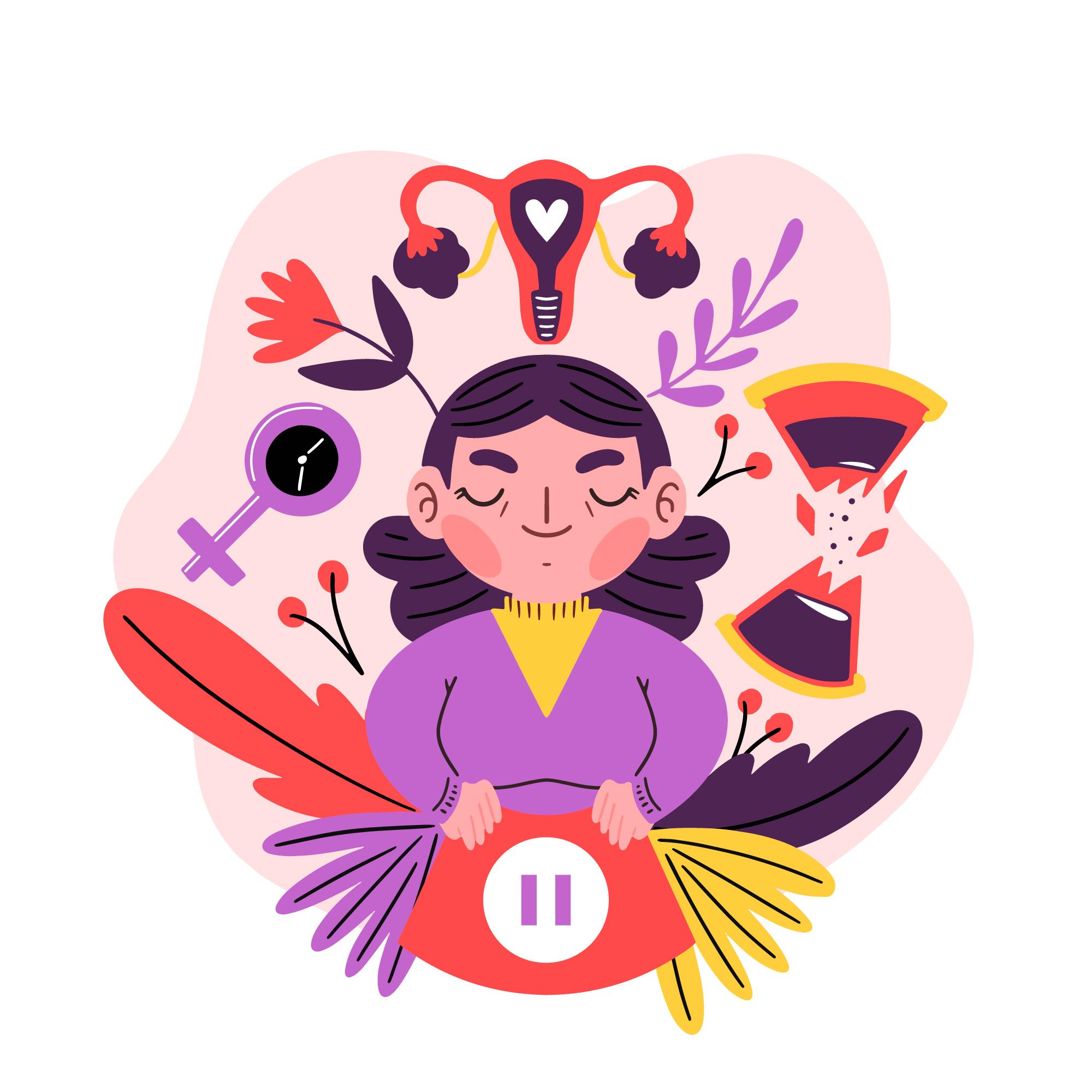
Ever noticed that around the time of an exam, a stressful work deadline or a high-pressure event, your menstrual cycle can change? This is because stress very easily affects your menstrual cycle by affecting the hormonal balance that regulates ovulation and menstruation.
The science behind it
The menstrual cycle is governed by hormones that are released by parts of the brain known as the pituitary and hypothalamus, and by hormones released from the ovary. During periods of high stress, your brain is affected by the release of stress hormones (cortisol). This in turn affects the release of the hormones that govern ovulation (release of the female egg from the ovary) and therefore the menstrual cycle.
Whilst most menstruators experience mild delays in their period by only a few days, chronic or severe stress can affect hormone release for a long time. This can result in menstruation ceasing for even upto 3 months or longer.
Stress triggers in daily life
Exams - Academic pressure can spike cortisol, especially during sleepless nights before tests. Students often report irregular cycles during exam seasons.
Work pressure - Deadlines, long hours, and workplace anxiety can disrupt hormonal rhythms.
Sleep deprivation - Poor sleep elevates stress hormones and reduces melatonin (the hormone that regulates sleep), further destabilizing menstrual cycles. In the first few years after a baby, mothers may also notice a change in their menstrual cycles due to sleep deprivation amongst other factors.
Lifestyle changes - Moving cities, starting a new job, or relationship stress can all contribute to cycle irregularities.
Effects of chronic stress on health
Chronic stress leads to irregular cycles that can lead to unpredictable menstruation and fertility patterns. This will make it difficult to plan your life around your menstrual cycle, and may even affecting chances of conception. Hormonal balances and absent periods for a long duration can also affect other systems including mood, bone health (increased osteoporosis risk) and cardiovascular health.
Coping strategies to regulate your emotions and your cycles
Mindfulness practices: Practices like meditation, yoga, and breathing exercises reduce cortisol.
Sleep hygiene: Aim for 7–9 hours of quality sleep to stabilize hormones.
Physical activity: Regular exercise lowers stress but avoid overtraining, which can worsen amenorrhea.
Therapy: Cognitive behavioral therapy (CBT) helps manage chronic stress.
Tracking cycles: Journaling symptoms and stressors helps identify patterns.
However, if your period is delayed for more than 3 months, or irregular cycles are frequent, consult a qualified healthcare professional. While stress is a common cause, other conditions like thyroid disorders, PCOS, or early pregnancy may also be responsible and should be considered.
If you or someone you know has absent or irregular menstruation or significant stress, please contact Bloom Medical Clinic or the Alokaya Counselling Centre at the Family Planning Association of Sri Lanka to speak to a healthcare professional (+94 779895252, No. 37/27, Bullers Lane, Colombo-07).

The Family Planning Association of Sri Lanka
எங்களிடமிருந்து வரும் சமீபத்திய செய்திகளைப் பெற குழுசேரவூம்