.png)

Vaginal Dryness During Menopause: Causes and Treatment
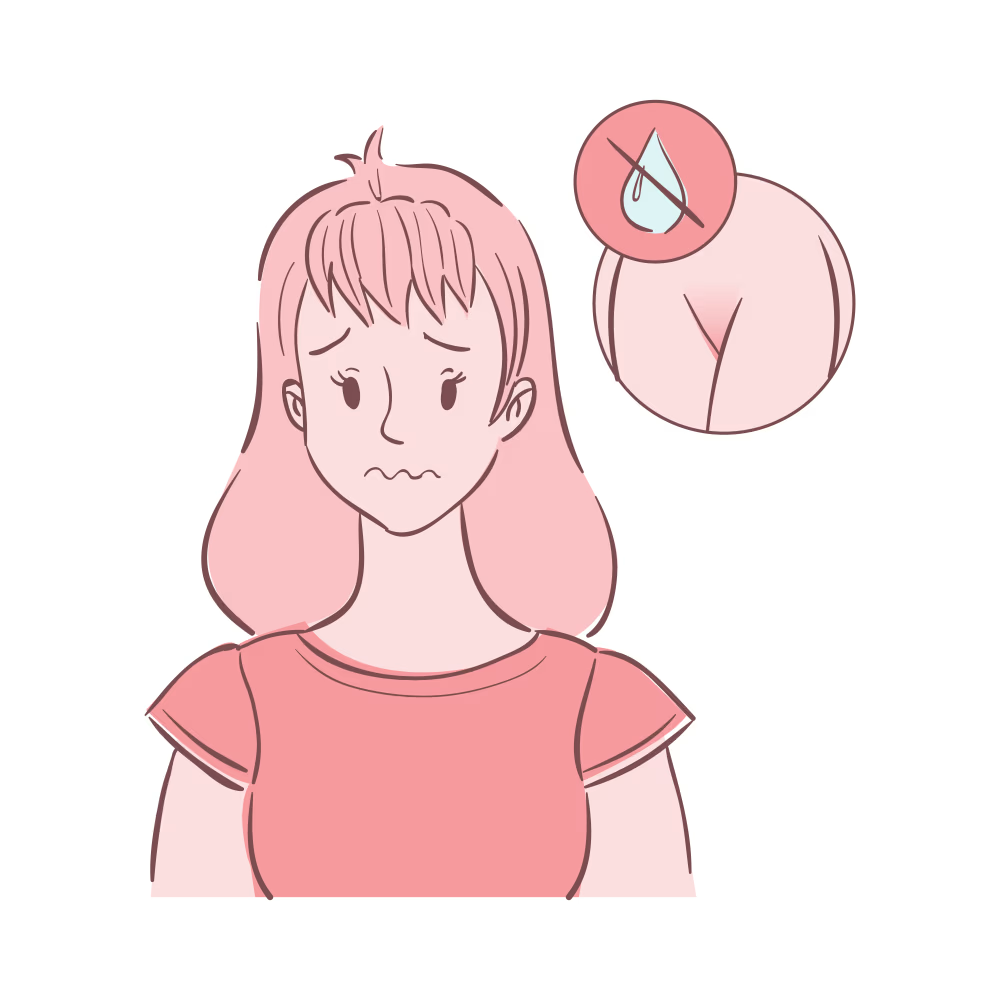
Vaginal dryness is a common concern during and after menopause, but many people hesitate to talk about it. It can affect everyday comfort, intimacy and sexual wellbeing. Importantly, there are treatment options available.
1. Why does vaginal dryness happen during menopause?
As oestrogen levels decline, the vaginal tissues can become thinner, less elastic and less naturally lubricated.
These changes can also affect the tissues around the vaginal opening and the urinary system. The group of symptoms associated with these changes is sometimes referred to as genitourinary syndrome of menopause (GSM).
2. What does vaginal dryness feel like?
Symptoms can include dryness, burning, itching, irritation or soreness.
Some people may also experience discomfort during sexual activity, increased sensitivity or urinary symptoms such as urgency or recurrent urinary infections.
3. Can vaginal dryness affect sex?
Yes. Reduced natural lubrication can increase friction during penetration and cause discomfort or pain.
Anticipating pain can also affect arousal and desire, creating a cycle where physical discomfort begins to affect emotional and sexual wellbeing.
4. What is the difference between a lubricant and a vaginal moisturiser?
A lubricant is generally used during sexual activity to reduce friction and improve comfort.
A vaginal moisturiser is used regularly to help relieve ongoing dryness. They serve different purposes, and neither should be used as a substitute for medical assessment if symptoms are persistent or severe.
5. Can lubricants help with vaginal dryness?
Yes. Lubricants can reduce friction and may make sexual activity more comfortable.
If dryness is persistent, however, relying only on lubricant may not address the underlying changes in vaginal tissues. A healthcare provider can discuss additional options.
6. Can vaginal dryness be treated with oestrogen?
For some people, low-dose local vaginal oestrogen may improve vaginal dryness and related symptoms.
It acts primarily on vaginal tissues and is different from systemic HRT. Whether it is suitable depends on individual health circumstances and should be discussed with a healthcare provider.
7. Does vaginal dryness go away on its own?
Not necessarily. Some menopausal symptoms improve over time, but vaginal and urinary symptoms related to declining oestrogen can persist.
If dryness is affecting your comfort, relationships or sexual wellbeing, it is worth discussing treatment options rather than assuming you have to live with it.
8. When should I seek medical advice?
Speak to a healthcare provider if dryness is persistent, painful, associated with bleeding, unusual discharge, burning or urinary symptoms, or is affecting your sexual wellbeing.
For confidential support, contact Bloom by FPA Sri Lanka on 077 955 2979.
About FPA Sri Lanka The Family Planning Association of Sri Lanka provides information and services related to sexual and reproductive health and wellbeing. Through Bloom by FPA Sri Lanka, individuals can access confidential support for a range of sexual and reproductive health concerns, including menopause-related issues.
Need confidential support? Contact Bloom by FPA Sri Lanka on 077 955 2979.
Medical information: This article is intended for general health information and does not replace an individual consultation with a qualified healthcare professional. Menopause symptoms and treatment options vary from person to person.

The Family Planning Association of Sri Lanka
අලුත්ම තොරතුරු ලබාගැනීමට එක්වන්න