.png)


Healthy Eating for Energy, Mood & Growth
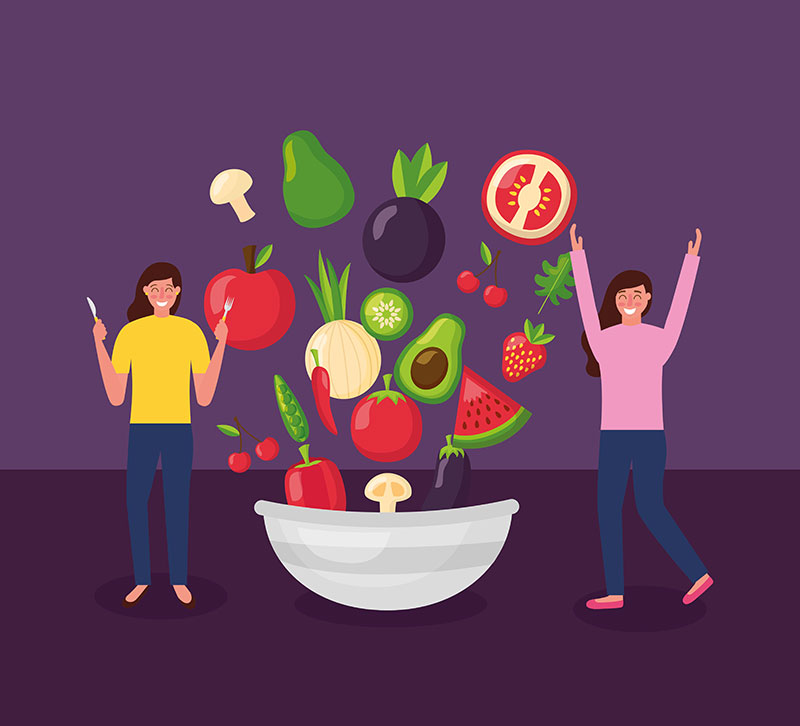
Healthy eating is not just about food, it is about how nutrition supports your energy, mood, physical growth, and overall well-being. During adolescence and young adulthood, the body and brain are still developing, making good nutrition especially important for focus, strength, emotional balance, and healthy growth.
1. What is healthy eating?
Healthy eating means choosing a variety of foods that provide your body with the nutrients it needs to function well. It is not about strict diets or avoiding foods, but about balance, variety, and regular meals that support both physical and emotional well-being.
2. Why is healthy eating important for young people?
Healthy eating supports growth, brain development, immunity, and energy levels. It also helps with concentration in studies, emotional stability, and maintaining overall health during a stage of rapid physical and emotional change.
3. How does food affect energy levels?
Food is the body’s fuel. Balanced meals help maintain steady energy throughout the day. Skipping meals or eating too many sugary or processed foods can lead to tiredness, poor concentration, and low stamina.
4. Can food affect mood and emotions?
Yes. The brain needs proper nutrients to function well. Regular, balanced meals can help improve mood and reduce irritability, while poor nutrition or irregular eating may contribute to feeling low, anxious, or tired.
5. What is a balanced diet?
A balanced diet includes:
- Carbohydrates for energy
- Proteins for growth and repair
- Fruits and vegetables for vitamins and minerals
- Healthy fats in moderation
- Enough water for hydration
6. What happens if I skip meals regularly?
Skipping meals can cause low energy, poor concentration, mood changes, and overeating later. It can also affect metabolism and overall health. Regular meals help maintain stability in both body and mind.
7. How does healthy eating support growth?
Healthy eating provides nutrients like protein, calcium, iron, and vitamins that support bone strength, muscle development, and hormonal balance, especially important during teenage growth stages.
8. What is iron and why is it important?
Iron is a mineral that helps produce haemoglobin, which carries oxygen in the blood. It supports energy production, brain function, and physical growth. Low iron levels can lead to fatigue, weakness, dizziness, and low mood.
9. Why are girls more at risk of low iron?
Girls and young women are at higher risk due to blood loss during menstruation. If iron intake is not sufficient, the body may struggle to replace what is lost, leading to tiredness and reduced energy.
10. What are good sources of iron?
- Lentils (dhal), beans, chickpeas
- Green leafy vegetables
- Fish, chicken, red meat
- Eggs
- Iron-fortified foods
Iron absorption improves when eaten with vitamin C-rich foods like citrus fruits.
11. What are signs of low iron?
- Constant tiredness
- Weakness or dizziness
- Pale skin
- Poor concentration
- Shortness of breath during activity
12. When should someone seek help for low iron or nutrition concerns?
If someone experiences ongoing tiredness, weakness, dizziness, poor concentration, or noticeable changes in energy levels, it may be linked to iron deficiency or other nutrition-related concerns. These symptoms should not be ignored, especially if they continue over time.
Nutrition-related issues can be properly assessed and managed through professional guidance, which may include dietary advice, nutrition planning, or medical supplements if needed, based on individual assessment by a qualified health professional or nutritionist.
Confidential support and guidance are available through FPA Sri Lanka services:
077 955 2979 – Bloom by FPA Sri Lanka
076 588 4881 / 076 588 4882 – Happy Life Call Centre (Call or WhatsApp)

The Family Planning Association of Sri Lanka
අලුත්ම තොරතුරු ලබාගැනීමට එක්වන්න