.png)


PCOS or PMOS – why the name change?
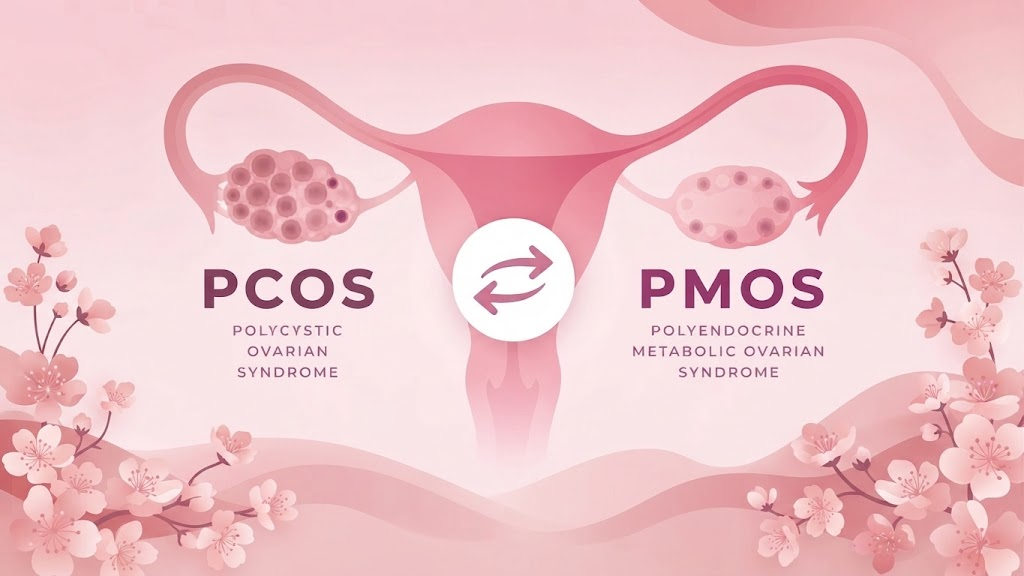
Polycystic Ovarian Syndrome (PCOS) has got a rebrand and is now referred to as Polyendocrine Metabolic Ovarian Syndrome (PMOS)! But what was the need? And why is it such a big deal?
After a 14-year global discussion process amongst the leading researchers and professional organizations working on the condition, the name change aptly reflects that this condition is not just about “cysts” but is has a more complex endocrine and metabolic disorder. The term PMOS acknowledges the impact the condition has on weight, insulin resistance, cardiovascular risk, sleep, mental health and fertility. This change is highly relevant not just internationally, but also in Sri Lanka, where awareness and stigma around women’s reproductive health remains poorly addressed.
PMOS affects approximately 1 in 8 women globally. It is caused due to both genetic and environmental factors. There is no single test to diagnose PMOS. After a physical exam, a list of core features known as the Rotterdam criteria is used to diagnose PMOS. The criteria requires a person to have at least 2 out of the 3 of the following core features:
Irregular or absent periods
High levels of male hormone (hyperandrogenism) – can result in acne, excessive body hair growth (hirsutism) and male pattern hair loss
An ultrasound showing polycystic ovaries (20 or more follicles in one ovary)
PMOS results in an imbalance of hormones that govern the menstrual cycle and hormones involved in glucose regulation. When it was termed poly-"cystic”, the focus of the condition was on the cysts. This led to confusion, delayed diagnosis and poor understanding of the varied symptoms this condition can cause. Women reported frustration at being dismissed or misunderstood because the name implied a minor gynaecological issue rather than a systemic condition.
The new term PMOS focuses on the endocrine and metabolic aspect of the condition rather than just the “ovarian cysts”. The new name also welcomes a more holistic treatment approach, addressing metabolic, mental and reproductive concerns. Doctors will emphasize lifestyle changes, metabolic screening and mental health support, rather than focusing on fertility. Lifestyle changes include dietary changes to increase more low GI foods, protein and fibre, whilst reducing refined sugars and eating more mindfully. Exercises such as strength training and low-intensity movement, including walking, pilates and yoga are also encouraged as they also reduce stress. Psychological management of anxiety and mood disorders is recommended through therapy. Medical management not only includes management of menstruation by the use of the combined oral contraceptive pills, but also with the use of metformin for glucose regulation, and the supplementation of inositol. Fertility can also be supported with specialist treatment.
The shift from PCOS to PMOS is more than a name change, it is a shift in how to approach this common, but often misunderstood condition. Affecting 1 in 8-10 women, especially young women, the name change is a step towards better understanding, early diagnosis and holistic care, especially in Sri Lanka, where cultural stigma often silences reproductive health conversations.
If you or someone you know experience symptoms as described above, or have already been diagnosed with PMOS, it is important to seek medical advice early and start management to prevent the long-term medical consequences of PMOS. Please contact Bloom Medical Clinic at the Family Planning Association of Sri Lanka to speak to a healthcare professional (+94 779895252, No. 37/27, Bullers Lane, Colombo-07).
References
Teede HJ, et al. Polyendocrine metabolic ovarian syndrome, the new name for polycystic ovary syndrome: a multistep global consensus process. The Lancet. 2026.

The Family Planning Association of Sri Lanka
අලුත්ම තොරතුරු ලබාගැනීමට එක්වන්න